
Ledger® Live: Desktop® — Getting Started | official Ledger™
Explore Ledger Live Desktop for convenient cryptocurrency management, helping users monitor balances, review transactions, manage accounts, connect Ledger devices, and organize digital assets from their computer.
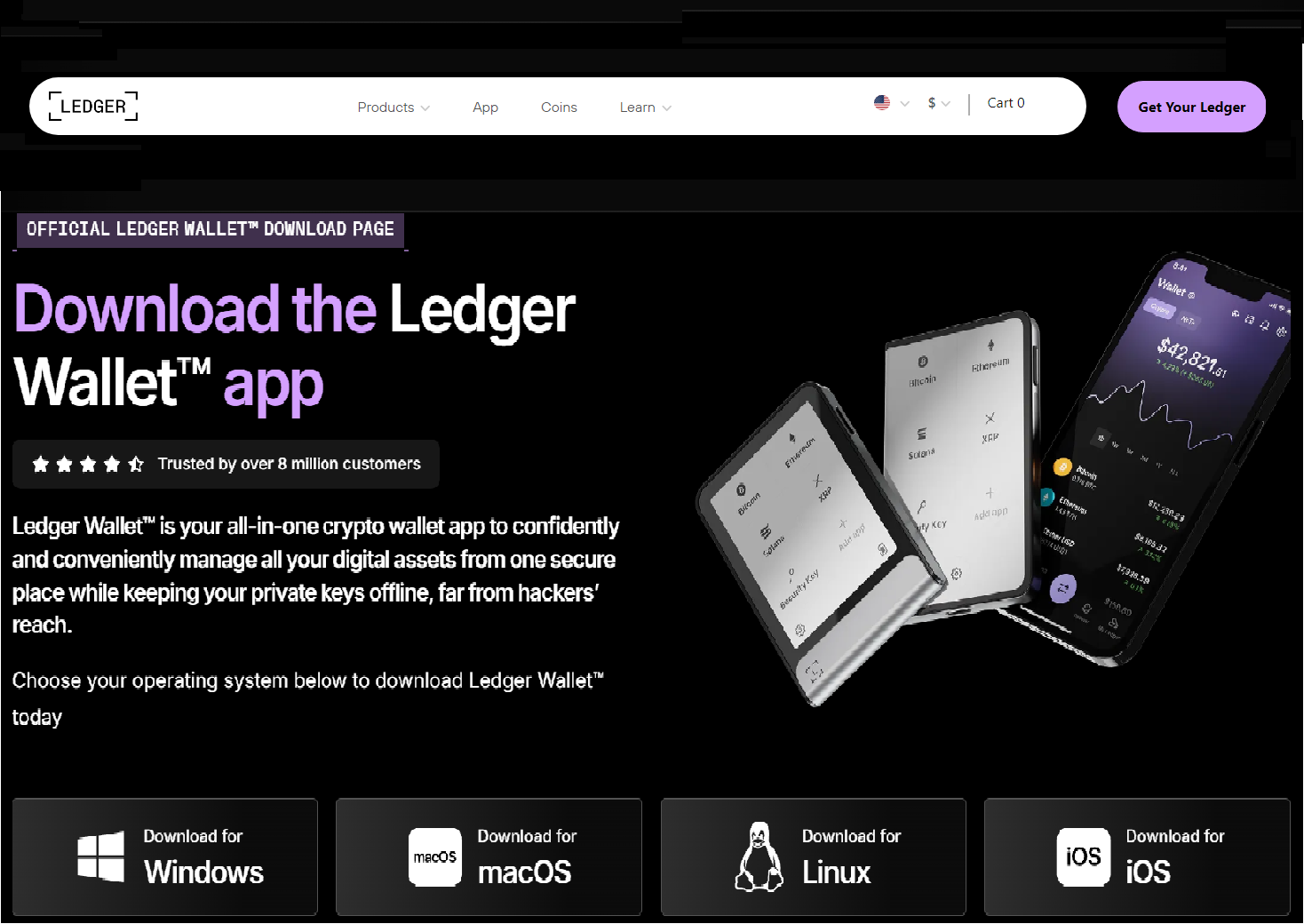
Ledger Live Desktop: A Complete Guide to Managing Your Crypto Wallet
Managing cryptocurrency from a computer becomes easier when users have a dedicated application that organizes wallet information in one place. Ledger Live Desktop is designed to work with Ledger hardware wallets and provides a convenient interface for viewing accounts, checking balances, reviewing transactions, and managing supported digital assets.
For users who prefer a desktop experience, Ledger Live Desktop offers a structured way to interact with their wallet while keeping important security actions connected to their physical Ledger device.
What Is Ledger Live Desktop?
Ledger Live Desktop is the computer-based version of Ledger’s wallet management software. It allows users to connect a compatible Ledger hardware wallet and access supported cryptocurrency features through a single application.
The software acts as a management interface, while the hardware wallet remains responsible for protecting sensitive operations such as transaction approval.
Why Use Ledger Live Desktop?
A desktop wallet application can make cryptocurrency management more organized. Users can view multiple accounts, check transaction history, and monitor their portfolio from one location.
The larger computer interface can also make it easier to review wallet information compared to smaller mobile screens. This can be helpful when managing multiple assets or checking detailed transaction information.
Getting Started With Ledger Live Desktop
To begin using Ledger Live Desktop, users should download the application from an official Ledger source. After installation, connect the Ledger hardware wallet and follow the setup instructions provided by the software.
Avoid downloading wallet applications from unofficial websites because fake programs may imitate legitimate software and attempt to collect sensitive information.
Connect Your Ledger Hardware Wallet
After launching Ledger Live Desktop, connect your Ledger device using the recommended connection method. Unlock the hardware wallet if required and follow the prompts displayed by the application.
Always pay attention to the information shown directly on the Ledger device. The physical wallet provides an additional verification step before approving important actions.
Manage Cryptocurrency Accounts
Ledger Live Desktop allows users to add and organize supported cryptocurrency accounts. Once accounts are connected, users can review balances, monitor activity, and manage their digital assets through the dashboard.
The available cryptocurrencies and features may depend on the Ledger model, software version, and current support.
Track Portfolio Information
The portfolio section in Ledger Live Desktop helps users understand their current holdings and account activity. Users can review estimated values, transaction history, and asset information from one interface.
Cryptocurrency prices can change frequently, so portfolio values may increase or decrease based on market conditions.
Send Crypto Through Ledger Live Desktop
Sending cryptocurrency requires careful verification. Before completing a transaction, check the recipient address, amount, and network details.
Ledger Live Desktop works together with the hardware wallet so users can confirm important information on the physical device. Review every detail carefully before approving a transfer because many blockchain transactions cannot be reversed.
Receive Digital Assets
Receiving cryptocurrency through Ledger Live Desktop involves selecting the correct account and generating a receiving address. Always verify the address before sharing it with another person or service.
For larger transfers, additional checks can help reduce the chance of sending funds incorrectly.
Review Transaction History
Keeping track of previous activity is an important part of wallet management. Ledger Live Desktop allows users to review completed transactions and monitor account movements.
Regularly checking transaction records can help users maintain accurate personal records and identify unfamiliar activity quickly.
Explore Available Ledger Features
Depending on supported assets, location, device compatibility, and current availability, Ledger Live Desktop may provide access to additional cryptocurrency-related features.
Before using any optional service, review the available information, fees, and transaction details to understand the process.
Protect Your Wallet Information
A secure Ledger Live Desktop experience depends on protecting sensitive wallet information. Never share your recovery phrase or enter it into unknown websites, applications, or online forms.
Legitimate support services should not request your complete recovery phrase. Be cautious of unexpected messages asking for wallet verification or urgent action.
Avoid Fake Ledger Applications
Cybercriminals may create fake versions of wallet software that look similar to official applications. Always verify the source before downloading Ledger Live Desktop.
Avoid clicking unknown links from emails, advertisements, or social media messages. Access official Ledger resources directly whenever possible.
Keep Ledger Live Desktop Updated
Regular updates can provide improvements, compatibility changes, and maintenance fixes. Install updates only through trusted Ledger channels.
Keeping both the application and your computer environment updated can contribute to a safer and smoother wallet experience.
Final Thoughts
Ledger Live Desktop provides a convenient desktop solution for managing supported cryptocurrency accounts with a Ledger hardware wallet. Its account tools, portfolio tracking, transaction management, and security-focused workflow make it a useful interface for everyday crypto activities.
The best wallet experience comes from combining reliable software with responsible security habits. Use authentic applications, protect your recovery phrase, verify transactions carefully, and remain alert to suspicious requests. These practices can help users manage digital assets in a more organized and secure way.
Updated about 7 hours ago