
Ledger.com/Start® | Getting™ Started — Ledger®
Visit Ledger.com/start to begin your Ledger wallet setup, connect your hardware device, follow simple instructions, complete initialization, and prepare for managing digital assets securely.
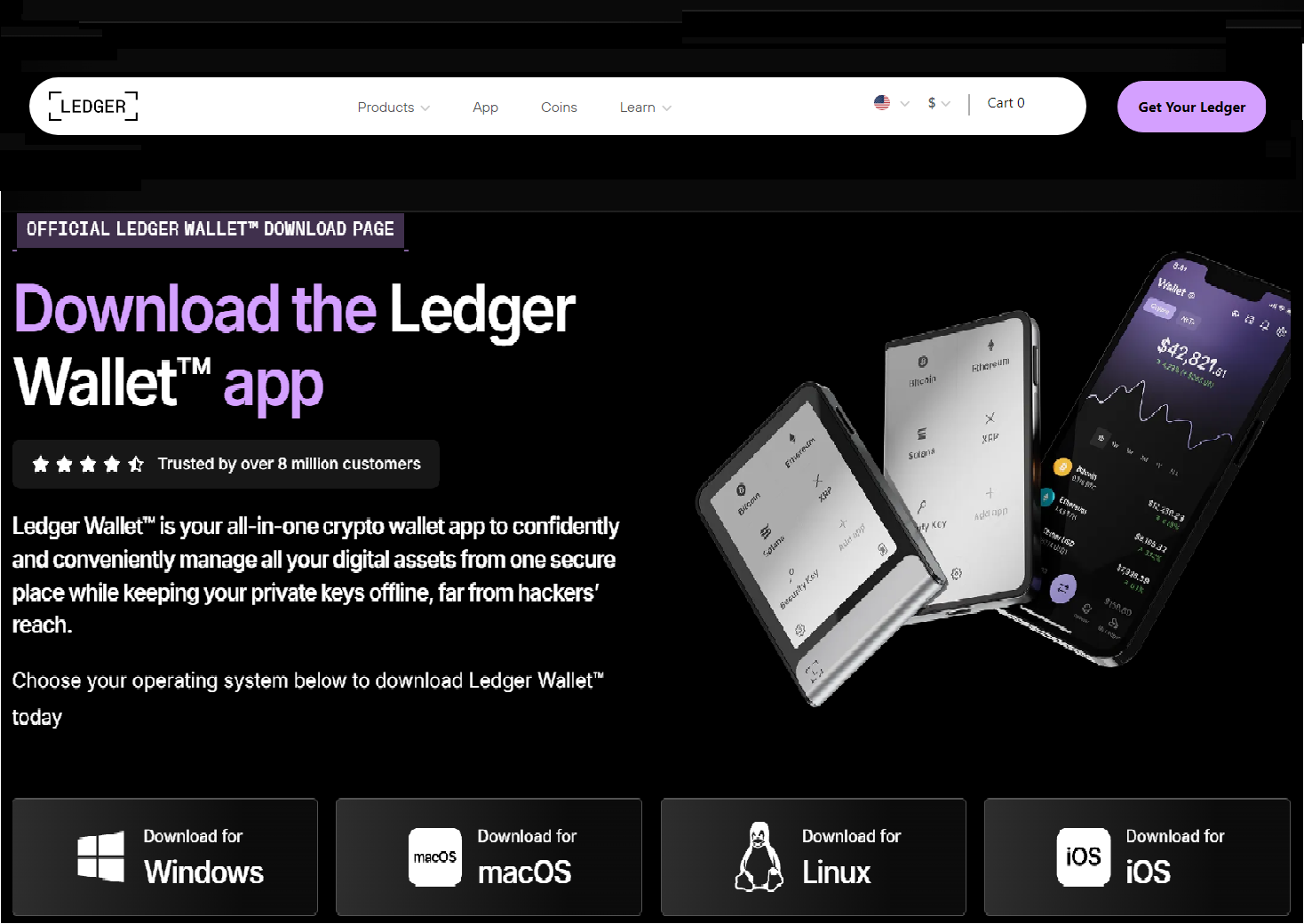
Ledger.com/start: Complete Beginner Guide for Ledger Wallet Setup
A secure cryptocurrency experience begins with a proper wallet setup. Hardware wallets are designed to give users more control over their digital assets, but understanding the setup process is essential before managing funds. Ledger.com/start provides a starting point for users who want to configure a Ledger hardware wallet, install the required software, and learn important wallet security practices.
Understanding Ledger.com/start
Ledger.com/start is the setup resource for beginning the Ledger wallet configuration process. It helps users connect their hardware wallet and access the software tools needed to manage supported cryptocurrencies. Starting from an official source reduces the risk of interacting with fake websites or unofficial applications.
Why Proper Setup Matters
A hardware wallet protects access to cryptocurrency by keeping important security functions connected to a physical device. However, users must still follow safe practices during setup. Correct installation, careful recovery phrase handling, and transaction verification are important parts of responsible wallet management.
Prepare Your Ledger Hardware Wallet
Before starting, keep your Ledger device, connection cable, and compatible computer ready. Make sure you are following instructions for your specific Ledger model. Avoid rushing through the setup process because each step helps you understand how your wallet works.
When connecting your device, review information shown directly on the hardware wallet. The physical device plays an important role in confirming important actions.
Install Ledger Live Software
Ledger Live is the application used to manage supported Ledger hardware wallets. During setup, download Ledger Live through an official Ledger source and install the correct version for your device.
Avoid downloading wallet applications from unknown websites or third-party links. Fake applications can appear similar to legitimate software and may attempt to collect private wallet information.
Create Your Ledger Wallet
New users can follow the setup instructions to create a wallet on their Ledger device. The process guides you through important configuration steps and prepares the device for managing supported assets.
During setup, your recovery information will be generated. This information should be recorded carefully and stored securely because it is required for restoring wallet access if your device becomes unavailable.
Secure Your Recovery Phrase
The recovery phrase is the key backup for your wallet. Protecting it is one of the most important responsibilities of a hardware wallet owner.
Never share your recovery phrase with another person. Do not enter it into websites, online forms, emails, or chat messages. Legitimate wallet support should not request your complete recovery phrase.
Restore an Existing Wallet
If you already have a compatible wallet backup, the Ledger setup process may allow you to restore access. Use only the official recovery method supported by your Ledger device.
Be careful of websites or messages that request recovery information unexpectedly. Always verify the source before entering any sensitive wallet details.
Manage Crypto Accounts With Ledger Live
After completing the setup, Ledger Live provides an organized interface for managing supported cryptocurrency accounts. Users can view balances, review transaction history, and access available wallet functions.
The features available can depend on the Ledger model, cryptocurrency, software version, and current support.
Send Cryptocurrency Securely
Sending crypto requires careful attention because confirmed blockchain transactions are usually irreversible. Before approving a transfer, check the recipient address, amount, and network information.
Review the transaction details displayed on your Ledger device before confirmation. This additional verification step helps ensure that the transaction matches your intended action.
Receive Digital Assets
Receiving cryptocurrency involves generating the correct wallet address through Ledger Live. Before sharing the address, verify that it belongs to the correct account and supports the intended asset.
Careful address checking can help prevent mistakes during transfers and improve your overall wallet management experience.
Stay Safe From Phishing Attempts
Fake websites, emails, and social media accounts can imitate Ledger services. These scams may request wallet verification, recovery phrases, or urgent action.
Always access Ledger resources directly and avoid clicking suspicious links. Never provide confidential wallet information because someone claims it is required for security purposes.
Keep Your Wallet Updated
Maintaining updated software can provide access to improvements, compatibility changes, and important maintenance updates. Install updates only through legitimate Ledger channels and avoid unknown download sources.
Keeping your computer secure with updated operating system protection and security tools can also support safer wallet usage.
Final Thoughts
Ledger.com/start provides a structured beginning for users setting up a Ledger hardware wallet. From installing Ledger Live and creating a wallet to protecting recovery information and verifying transactions, every step contributes to a safer cryptocurrency experience.
A hardware wallet works best when combined with good security habits. Keep your recovery phrase private, use official software, check transaction details carefully, and remain alert to suspicious requests. These practices can help users manage their digital assets with greater confidence and organization.
Updated about 7 hours ago