
Ledger.com/Start® | Getting started®™ — Ledger Support
Visit Ledger.com/start for guided wallet setup, connect your Ledger device, complete initialization, review security instructions, and prepare your hardware wallet for managing supported cryptocurrencies securely.
Ledger.com/start: A Simple Guide to Setting Up Your Ledger Wallet
Setting up a hardware wallet is an important first step for anyone who wants to manage cryptocurrency through self-custody. Ledger.com/start is the starting point for configuring a Ledger hardware wallet and learning how the device works with Ledger's wallet software. By following the official setup process carefully, users can connect their device, configure their wallet, protect recovery information, and prepare for everyday digital asset management.
What Is Ledger.com/start?
Ledger.com/start is designed to guide users through the initial setup of a Ledger hardware wallet. It provides a starting point for connecting the device and getting the appropriate Ledger software ready. Using the correct official source is important because fake wallet websites can imitate legitimate services and attempt to obtain sensitive information.
Prepare Your Ledger Device
Before beginning, have your Ledger hardware wallet and a compatible computer available. Connect the device according to the instructions for your particular model. Take your time during setup and avoid following instructions from unknown websites, social media accounts, or unsolicited messages.
Install Ledger Live
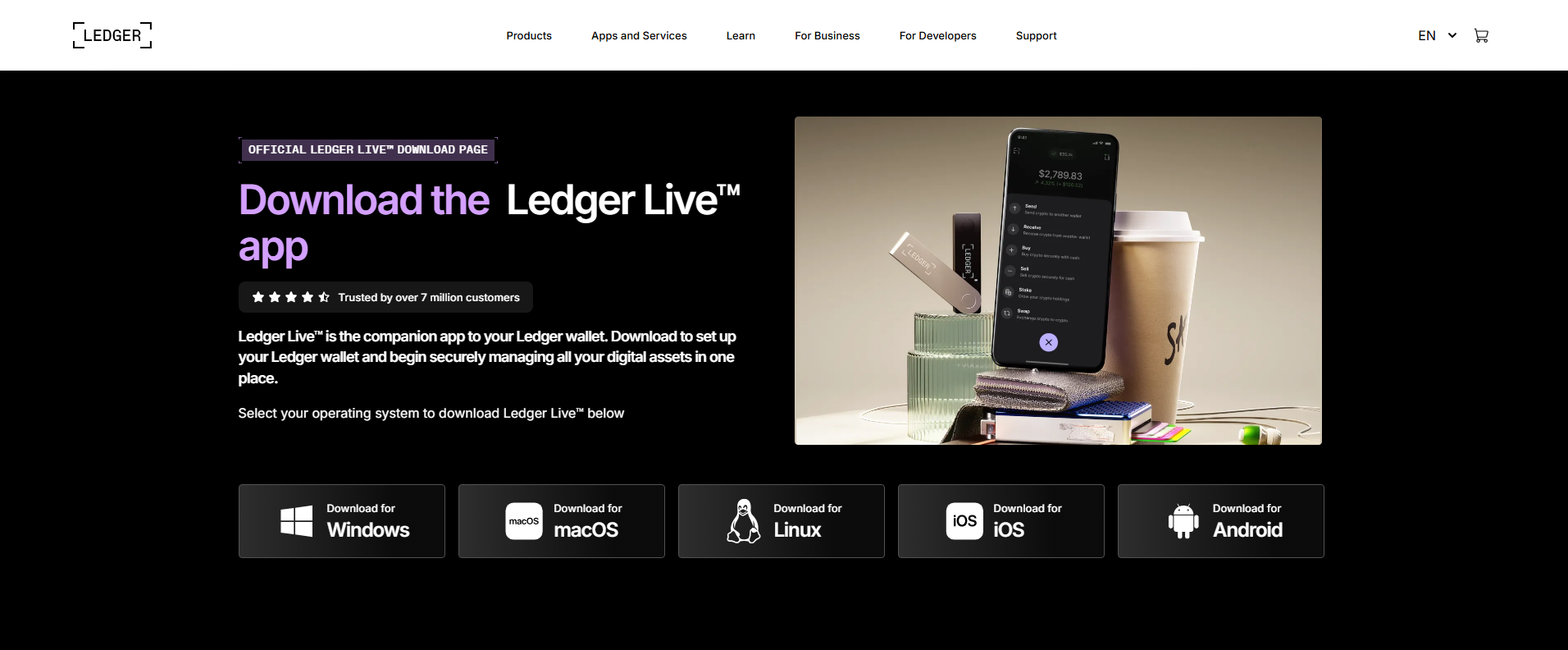
Ledger Live is the software environment used to interact with supported Ledger hardware wallets. During the setup process, download the appropriate software through an official Ledger source. After installation, open the application and follow the instructions for connecting and configuring your Ledger device.
Create a New Wallet
If your device is new, the setup process can guide you through creating a wallet. Follow the instructions displayed by the Ledger device and application carefully. During this stage, you may receive important recovery information that must be recorded accurately and protected from unauthorized access.
Protect Your Recovery Phrase
Your recovery phrase is one of the most important elements of a self-custody wallet. Keep it offline in a secure location and never share it with anyone. Do not enter it into websites, emails, online forms, or messages because someone claims that your account needs verification or technical assistance.
Recover an Existing Wallet
Users with an existing wallet may have the option to restore it using the appropriate recovery procedure supported by their Ledger device. Follow the instructions shown by the authentic device and software. Never attempt recovery through an unfamiliar website or application, even if the page appears to use Ledger branding.
Connect Your Accounts
After the initial setup, Ledger Live can help you add supported cryptocurrency accounts. The application provides a centralized location for viewing account information and managing supported assets. Available cryptocurrencies and features can depend on your device, software version, region, and current support.
Review Your Portfolio
Ledger Live provides tools for checking account balances and reviewing cryptocurrency activity. Portfolio values can change as market prices move, so displayed fiat estimates should not be treated as fixed amounts. Regularly reviewing your accounts can help you stay familiar with your holdings and transaction history.
Send Crypto Carefully
Before sending cryptocurrency, check the recipient address, amount, and network. Carefully review the transaction information shown on your Ledger hardware wallet before approving the transfer. If the details displayed on the physical device do not match your intended transaction, stop and investigate before confirming it.
Receive Digital Assets
Receiving cryptocurrency requires an appropriate account and receiving address. Generate the address through the legitimate Ledger interface and verify it carefully before sharing it with a sender. Make sure the asset and network are compatible with the destination account before completing a transfer.
Watch for Fake Ledger Websites
Cryptocurrency scams often use websites and messages designed to look authentic. Be cautious when an unexpected message asks for your recovery phrase, password, payment, or remote computer access. Check website addresses carefully and obtain Ledger software only through legitimate sources.
Keep Ledger Software Updated
Regular software maintenance can provide compatibility improvements and other updates. Check for available updates through legitimate Ledger channels and avoid installers received from unknown sources. Keeping your computer's operating system and security software current can also contribute to a safer wallet environment.
Final Thoughts
Ledger.com/start provides a starting point for users configuring a Ledger hardware wallet and preparing it for cryptocurrency management. The process involves connecting the device, installing Ledger Live, creating or recovering a wallet, protecting recovery information, and learning how to verify transactions. Once setup is complete, careful security habits remain essential. Keep your recovery phrase private, confirm transactions on the physical device, use authentic Ledger software, and remain cautious about phishing attempts.
Updated about 5 hours ago